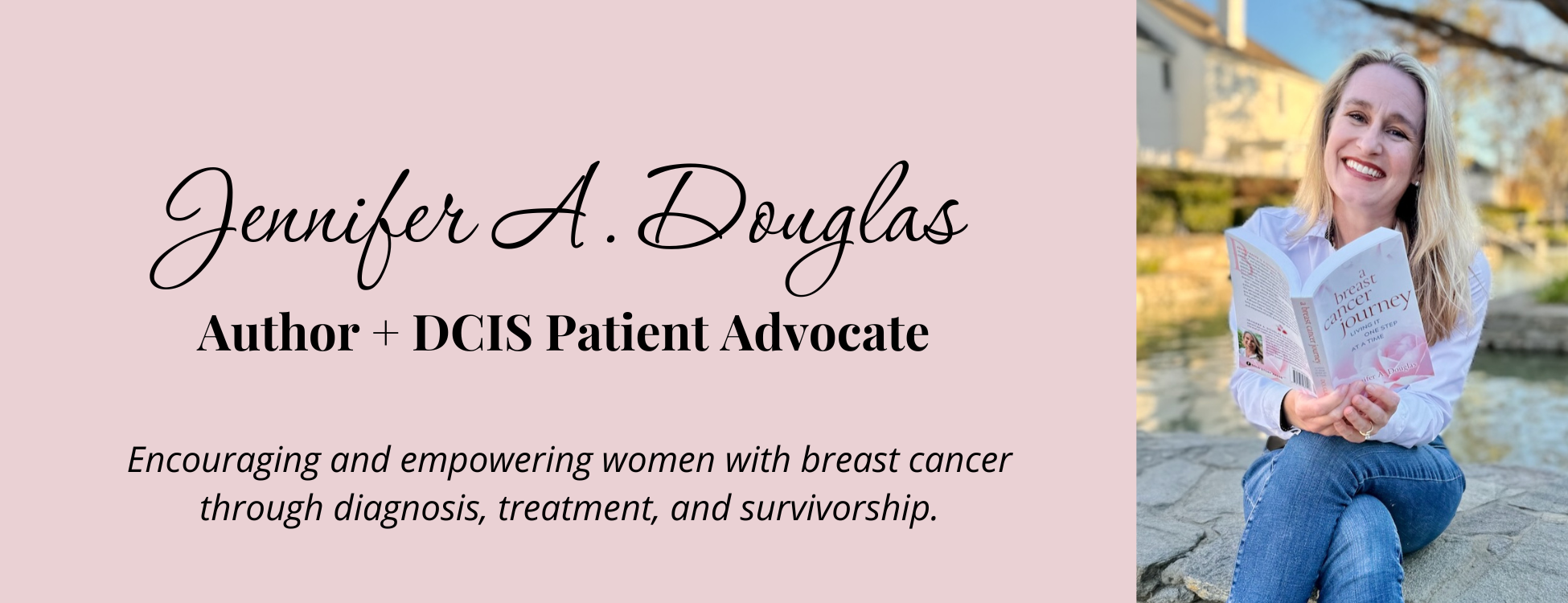
Perimeter Medical Imaging AI Patient Partnership
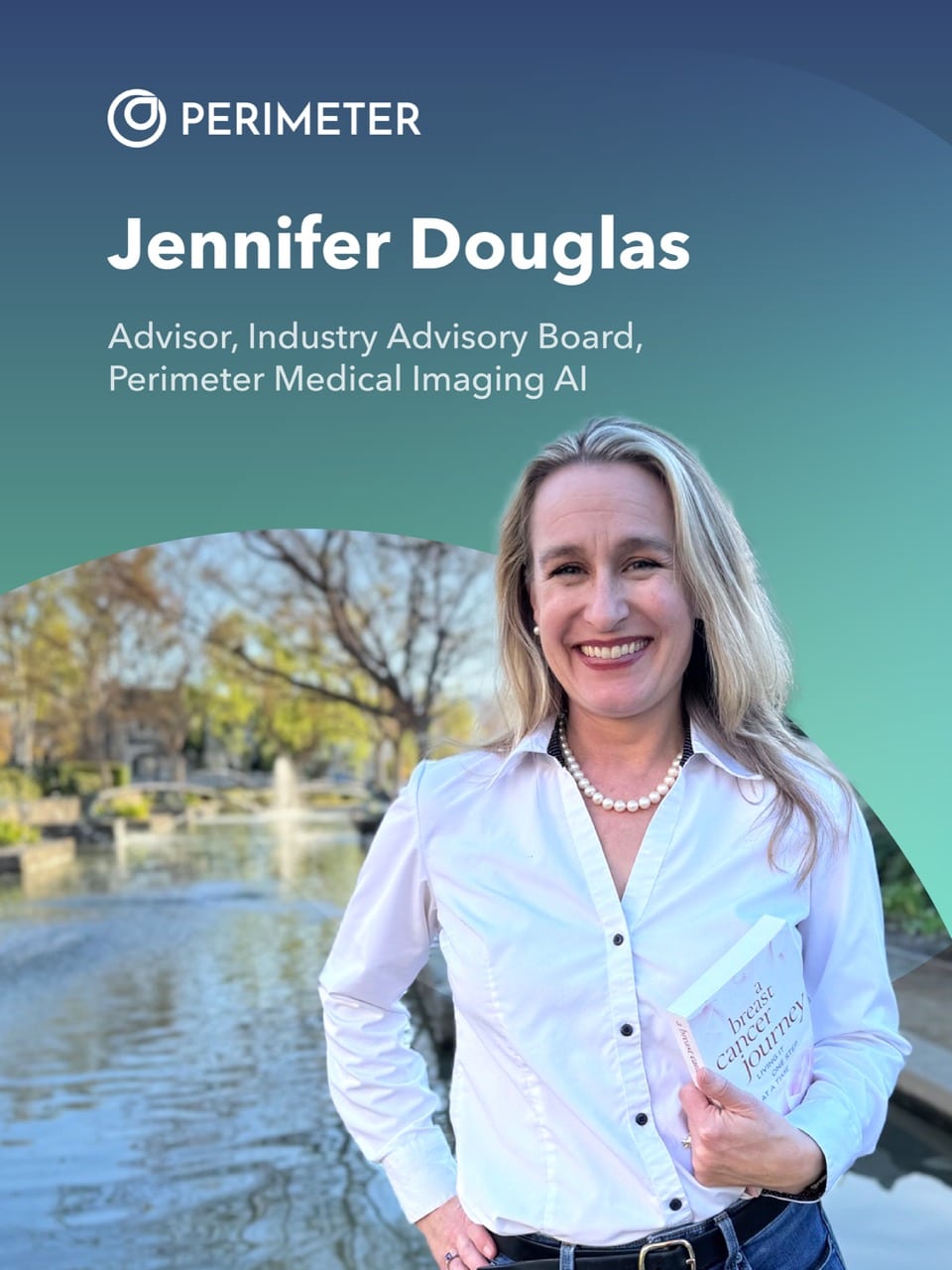
In the fall of 2025, Perimeter Medical Imaging AI invited me to join them as a patient advocate and a member of their Industry Advisory Board. I was excited to say yes, because of their mission to help patients and surgeons in the breast cancer community, and because it meant working closely again with Diana Chan. Diana and I first worked together at MOLLI Surgical, and partnering with her once more to bring the patient voice to Perimeter made the decision an easy one.
Perimeter wasn’t new to me, either. I had known about their work for several years. In fact, I attended an informational breakfast at an ASBrS conference back in 2022, where I first met their founder, Andrew Berkeley, and heard his vision to give surgeons clarity on margins in the operating room with OCT (optical coherence tomography).
In Perimeter’s announcement, they described me as a “breast cancer survivor, author, and influential patient advocate.” Diana put it in words I’ll keep for a long time:
“She is authentic, compassionate, and entirely dedicated to supporting breast cancer patients and survivors. Jennifer is an inspiration to others.”
I’m honored to work with the Perimeter team, and to share more with you on this page about Perimeter’s Claire™ and the patient resources we are creating together for their website.
Why This Work Is Personal
I will never forget the call I got from my breast surgeon a few days after my lumpectomy in 2019. I wasn’t supposed to see him until the following week, but he wanted to call and tell me personally that he had been able to get clear margins on my surgery. I felt such a sigh of relief when I heard that news from him. I’d only needed one surgery. I could move on to the next phase of my journey.
What I didn’t know then was how often I would hear from fellow patients who needed more than one surgery.
I’ve led more than 175 support calls since 2021, and some of the hardest conversations are with women who have just been told they need to go back to the operating room. The first surgery couldn’t clear the margins. Going back means more waiting, more anesthesia, and more time asking family to rearrange their lives. I hear the exhaustion in their voices every time.
Why Margins Matter
When a surgeon removes breast cancer, the goal is to also remove a thin rim of healthy tissue around it, called a margin. Margin guidance can vary depending on the type of cancer being removed. In the case of DCIS (which is what I had), the guidance is to have a 2 mm margin.
If cancer cells reach the edge of the removed tissue, a second surgery is often recommended to clear the margins. Clear margins are linked with better outcomes for cancer patients. ¹
One of the challenges, particularly with DCIS, is that it is microscopic. DCIS looks like normal tissue to the naked eye. After the tissue is removed, it is sent to pathology, which can magnify and show which areas have clear margins, and which do not. The major flaw in this process is the timeline: the results don’t come back until a few days after the surgery is over. If the lab finds that cancerous cells were left behind, it is too late to remove them during that same surgery.
1. (Ezzat A, Shanthakumar D, Laskar N, et al. Impact of resection margin width on local recurrence following breast-conserving surgery and whole breast radiotherapy for pure ductal carcinoma in situ: a systematic review and meta-analysis. BMJ Oncol. 2025;4(1):e000633. Published 2025 Mar 6. doi:10.1136/bmjonc-2024-000633)
Say Hello to Claire™
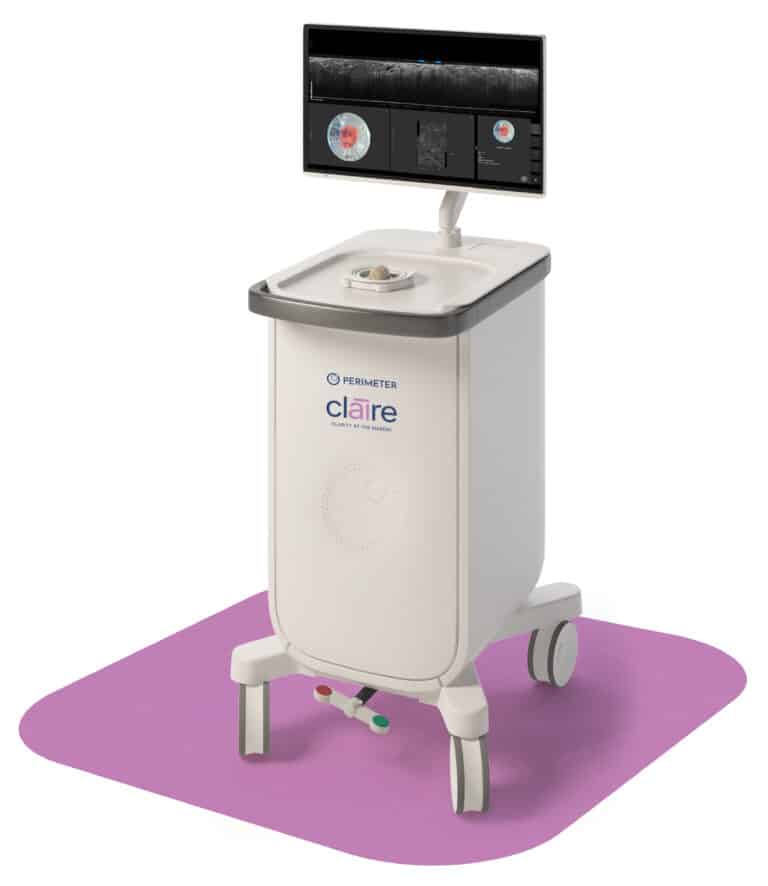
Perimeter Claire™ is the first and only FDA-approved, AI-enabled, adjunctive imaging device designed specifically for breast cancer margin assessment.
That’s a mouthful, so here’s how Claire fits into the surgical flow. During a lumpectomy, your surgeon removes the tissue from your breast. That tissue is then scanned on all six sides with OCT. OCT is like an ultrasound, but instead of sound waves, it uses light. It is designed to see through the entire 2 mm margin, which is the standard of care for DCIS.
Once the scans are done, the AI inside Claire, identifies and marks areas for your surgeon to review. The AIis an adjunctive tool, which means it supports your surgeon’s own evaluation rather than replacing it. Your surgeon can look at these areas while you are still in the operating room, alongside standard margin evaluation techniques, and take additional tissue as needed.
There is more on how all of this works over on Perimeter’s patient page.
By developing advanced imaging technologies like Claire, Perimeter aims to transform cancer care by developing advanced imaging systems that improve the standard of care, provide better long-term outcomes for patients, and reduce healthcare costs.
What We've Been Building Together
Our work together began in the fall of 2025, leading up to Breast Cancer Awareness Month and Perimeter’s Stronger Together theme. Through a series of collaborative posts, I shared my experience with DCIS and brought my patient voice and resources to their audience. Perimeter also welcomed me into their virtual town hall, where I shared my DCIS story with the entire company.
In March 2026, shortly after Claire received FDA approval, we resumed our partnership, and it has been hands-on ever since. I helped redesign the patient page on Perimeter’s website, bringing the questions I hear on support calls into how the page explains surgery, margins, and Claire. Together we co-created resources for patients, including the Claire patient flyer and a set of questions to ask your surgeon, the kind of preparation I wish someone had handed me before my own appointments.
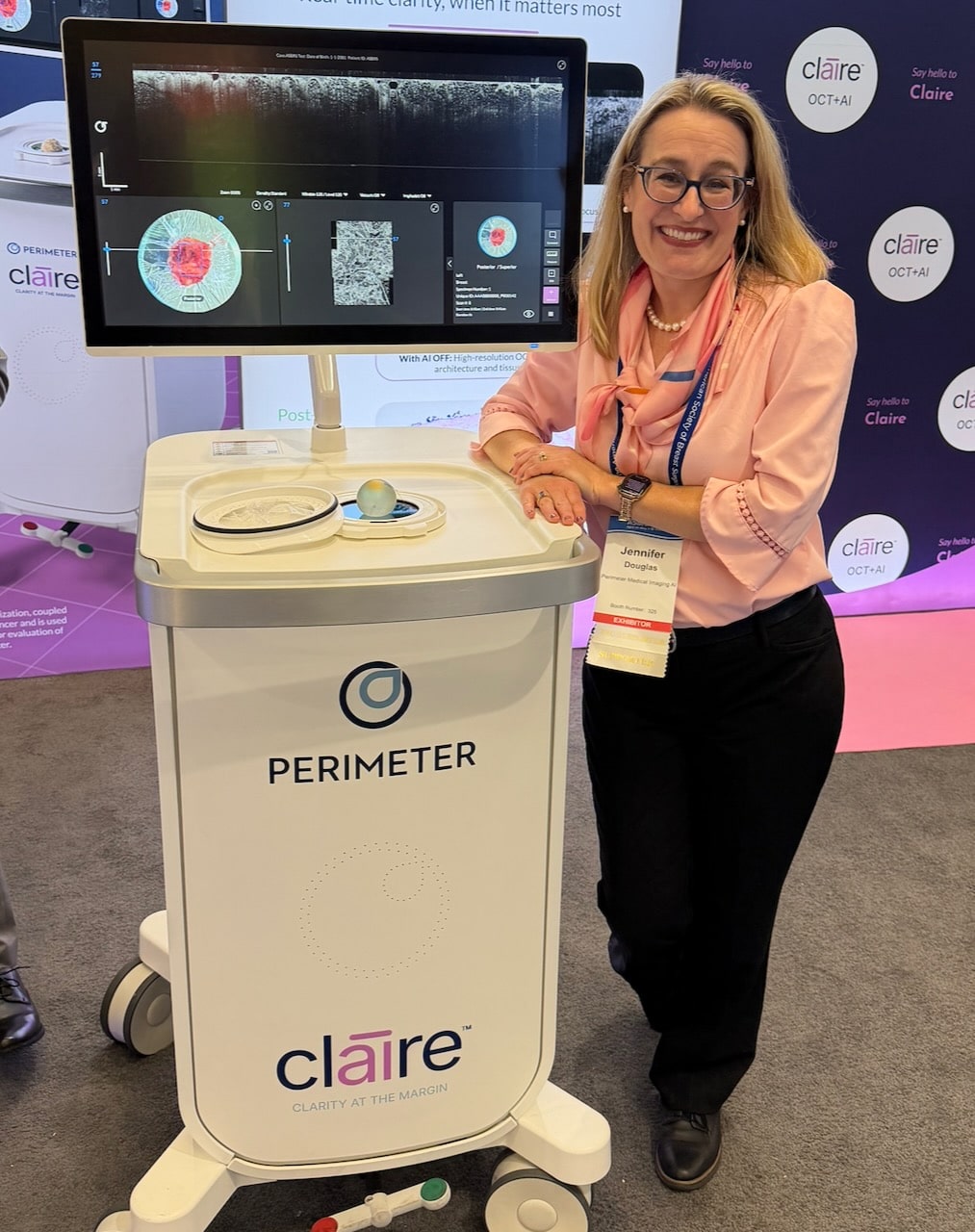
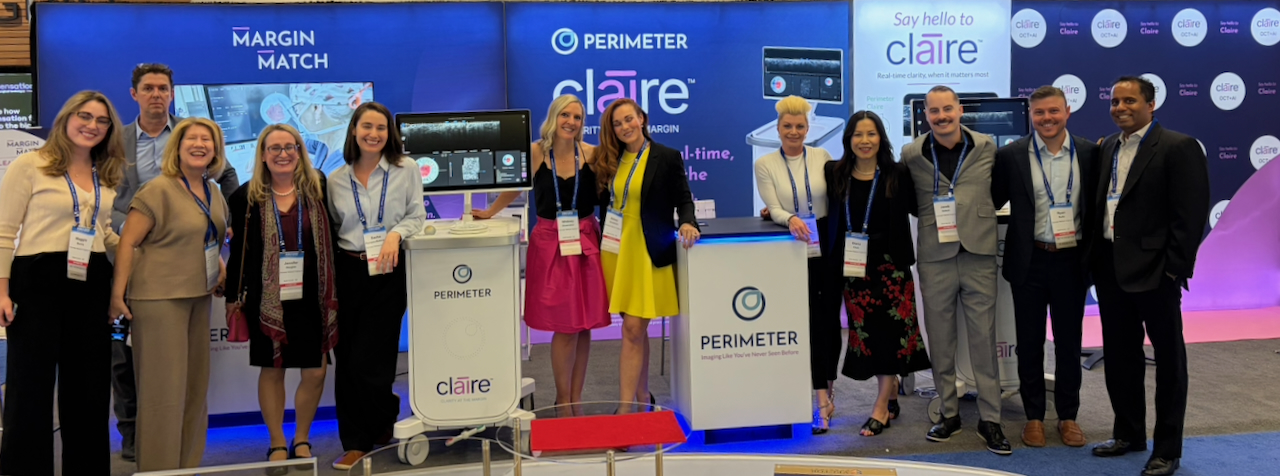
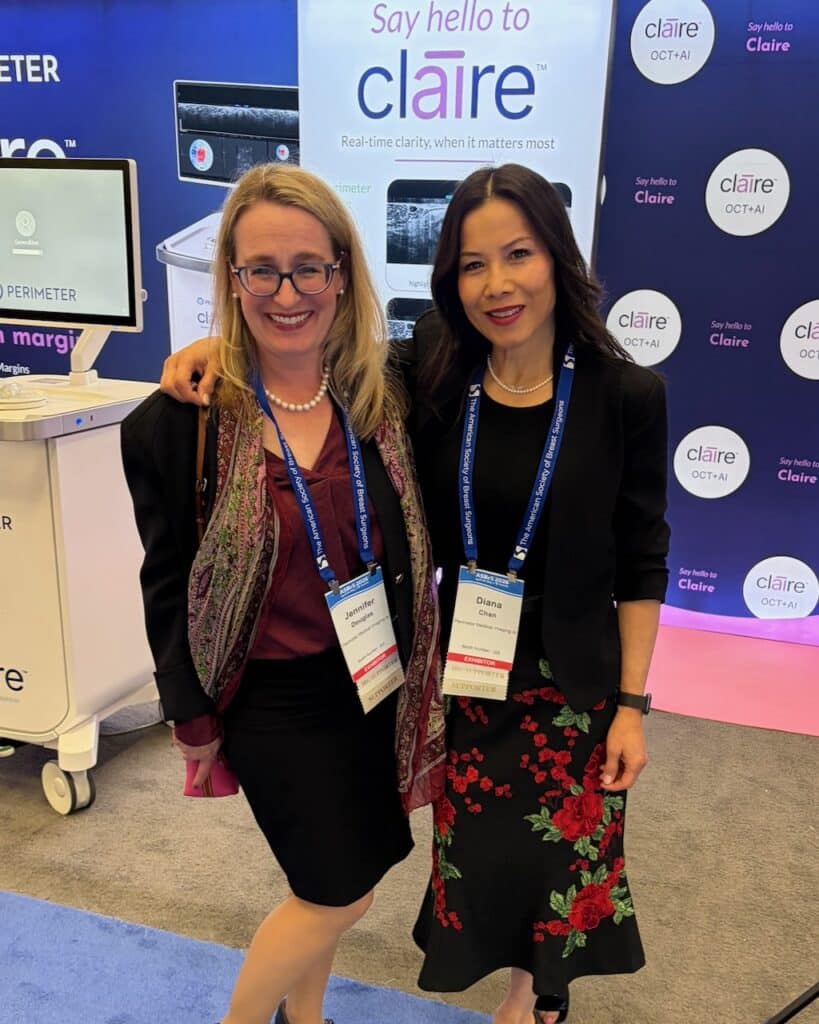
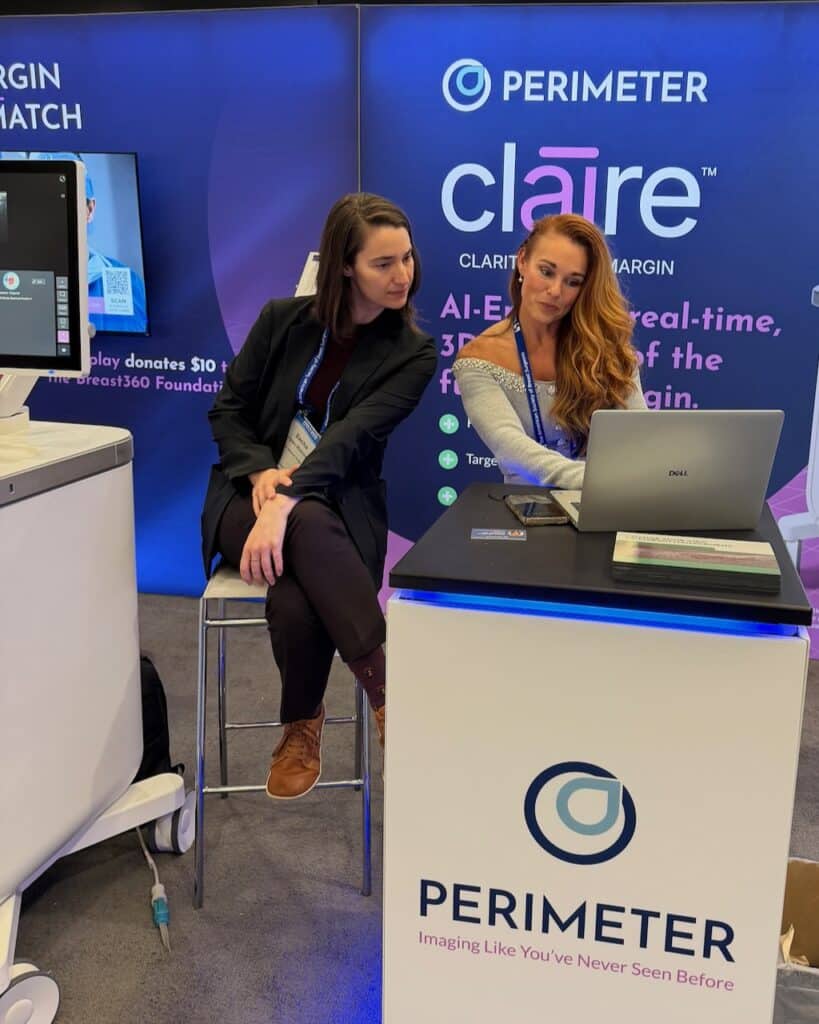
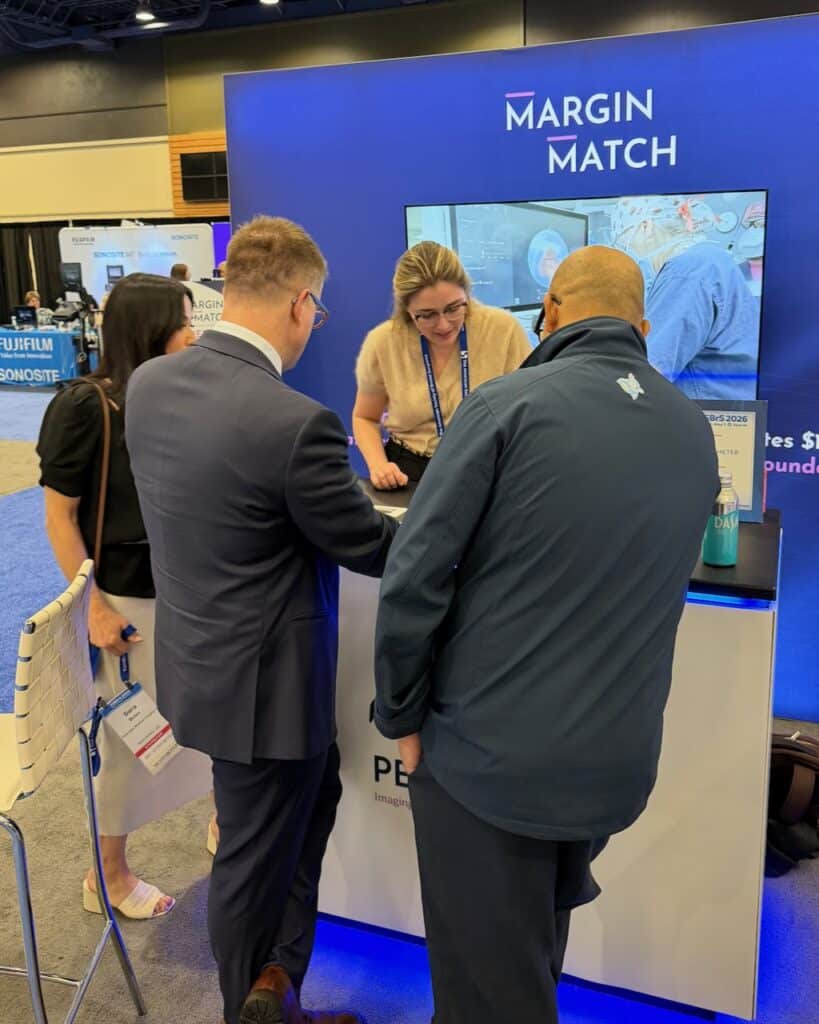
This spring, I attended the American Society of Breast Surgeons annual meeting with the Perimeter team. I’ve been to this conference a couple of times, but this was my first time to attend with Perimeter.
My time was especially meaningful since I was able to meet the team in person, talk with surgeons from all around the world, and see Claire for the first time.
Everywhere I turned, the focus was on our patient experience: surgeons who want to do the absolute best for the women in their care, and a device built to make surgery better for women who haven’t even been diagnosed yet. I had spent months writing about Claire. Standing in front of it was something else entirely.
I also contribute to Perimeter’s Instagram account, which you can follow here. You’ll find a mix of product and educational posts, with patient-facing content that sounds like it was written by someone who has actually sat in the waiting room. Because it was.
Perimeter Patient Resources
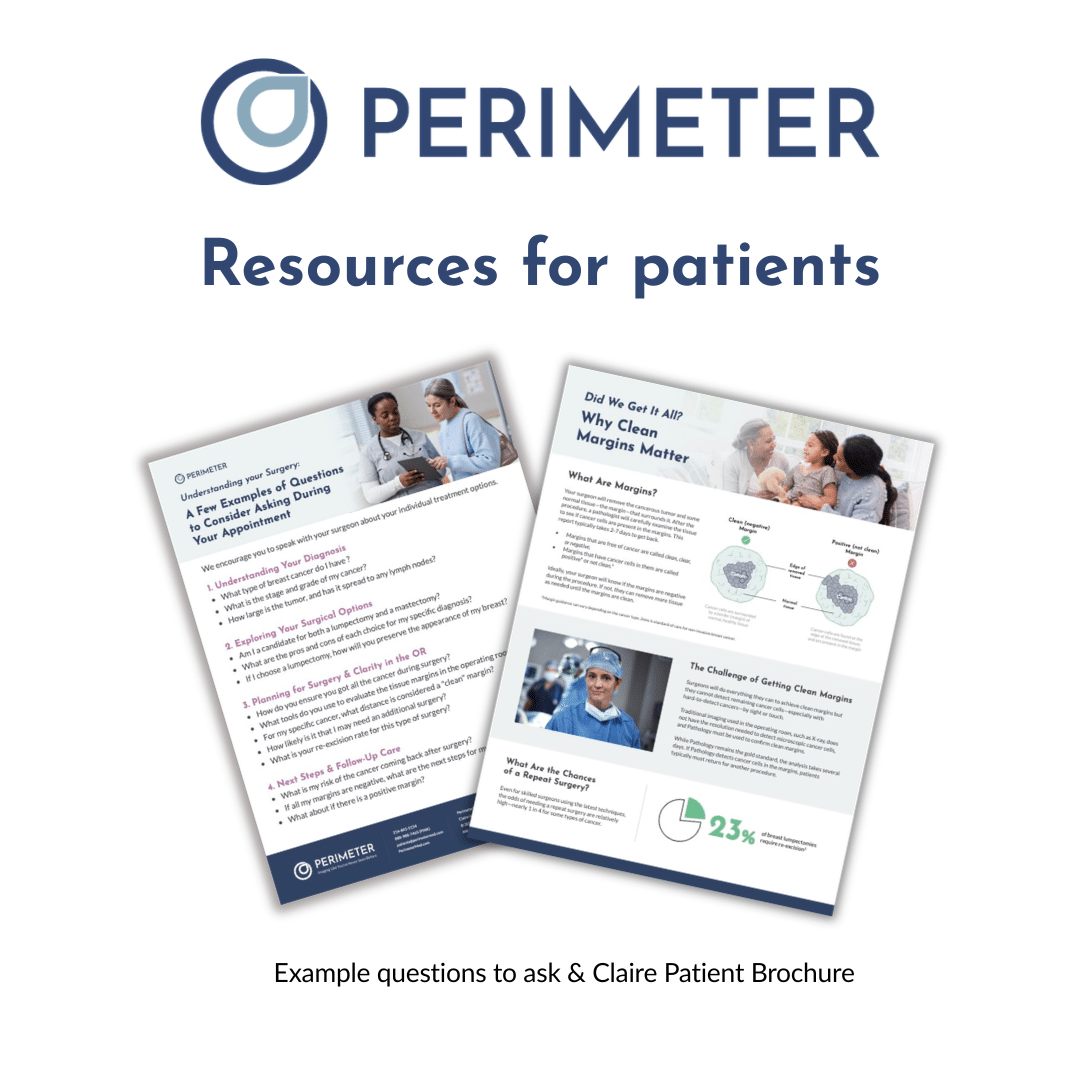
Perimeter has a helpful section on its website designed just for patients. It includes information about Claire as well as information about margins, along with downloadable resources we created together. On the page you’ll find:
- The Claire Patient Flyer, an easy-to-understand introduction to how Claire works alongside standard surgical methods to support your care team.
- Questions to Ask Your Surgeon, so you walk into your next appointment prepared instead of hoping you remember everything.
- A closer look at margins, what they are, why they matter during surgery, and what it means when a second surgery is recommended.
You’ll find important safety information on Perimeter’s website.
I’m so grateful for innovative companies like Perimeter that are willing to take on the big challenges in breast cancer care, microscopic margins included.
Partnership Page Information
This page is produced in partnership with Perimeter Medical Imaging AI. You can read more about my policies here.
The content on this page is general education and information and is not to be considered medical advice. Always talk with your medical team about your care.
The Claire OCT System is an adjunctive tool; it does not replace standard tissue histopathology nor provide a diagnosis. For regulatory and important safety information about Claire, please visit https://perimetermed.com/claire-disclosures/.